
Bathroom Fitting and Installation: How Long It Takes
0115-697-2277
Full Bathrooms - Wet Room - Shower Rooms
Walk In Shower - Disabled Bathrooms - Bathroom Renovation - Bathroom Remodel - Family Bathroom
FREE QUOTATION - FREE ADVICE
CALL NOW !
How long bathroom fitting and installation takes in Nottingham depends far more on what's being done to the room than on its size. A like-for-like suite swap runs on a different timescale to a full strip-out with new pipework, plastering and tiling, which is why the guide above sets out the individual stages rather than a single number. Getting your design and material choices settled before work starts removes a lot of the delay risk, because it's ordering and waiting on non-standard items, not the fitting itself, that most often adds days to a job. Our installation team plans each stage around your household, so you know roughly which day plumbing, electrics and tiling will happen, not just a start and finish date.
How Long Does It Take To Fit A Bathroom: What are the main steps involved in a bathroom installation?
The main steps involved in a bathroom installation are:
- Remove the old bathroom fixtures;
- Install new plumbing fixtures;
- Install new electrical fixtures;
- Install the new bathroom vanity; and
- Finish the installation by tiling the floor and walls, and installing the new shower or bathtub.
These steps can take anywhere from a few hours to a few days, depending on the size and complexity of the bathroom. If you are planning on having your bathroom installed by professionals, it is important to ask them how long the process will take. This way, you can plan accordingly and make sure that you have enough time to complete the project. Additionally, if there are any delays, you will be able to manage your expectations accordingly.
Bathroom installations can
be complex and time-consuming projects. However, by understanding the main steps involved and asking your contractor about timelines.
Remove the old bathroom fixtures
This involves removing the old toilet, sink, bathtub, and any other fixtures that will be replaced. This process can take a few hours to a full day depending on how difficult it is to remove the fixtures and how many there are.
Install new plumbing fixtures
The next step is to install the new bathroom fixtures. This includes putting in the new toilet, sink, bathtub, and any other fixtures. This process can take a few hours to a full day as well. After the fixtures are installed, the next step is to connect the plumbing. This can be a fairly simple process that only takes an hour or two. However, if there are any complicated connections, it could take longer.
Install new electrical fixtures
The next step is to install the new electrical fixtures. This includes the light fixtures, outlet covers, and any other electrical items. This process can take a few hours to a full day as well. After the electrical fixtures are installed, the next step is to connect the wiring. This can be a fairly simple process that only takes an hour or two. However, if there are any complicated connections, it could take longer.
Install the new bathroom vanity and bathroom sink
The bathroom vanity is one of the most important pieces of furniture in the bathroom. It is also one of the easiest to install. The first step is to attach the vanity to the wall. This can be done with screws or nails. Once the vanity is secure, the next step is to connect the plumbing. This includes attaching the water lines and drain pipe. The final step is to install the faucet and handles. This process can take a few hours to a full day as well
Adding a new bathroom sink is a relatively easy task that can be completed in a few hours. The first step is to remove the old sink from the countertop. Next, you will need to install the new sink onto the countertop.
Finish the installation by tiling the floor and walls, and installing the new shower or bathtub
Once all of the fixtures are installed and connected, the last step is to finish up. This includes putting on the finishing touches like towel racks, toilet paper holders, and mirrors. This process can take a few hours to a full day as well. After everything is finished, you should have a beautiful new bathroom that is ready to be used.
How long does it take to install a bathroom from start to finish
This depends on the size of your bathroom, the complexity of the job, and whether you are doing a complete renovation or simply replacing some of the fixtures.
A small bathroom with only basic fixtures can usually be installed in a day or two because in this case , much of the existing plumbing can be used.
A larger, more complex bathroom installation will take longer because more time will be needed to do things like run new plumbing lines and install tile work.
It is important to ask your contractor for a timeline at the beginning of the project. Additionally, if there are any delays, you will be able to manage your expectations accordingly.
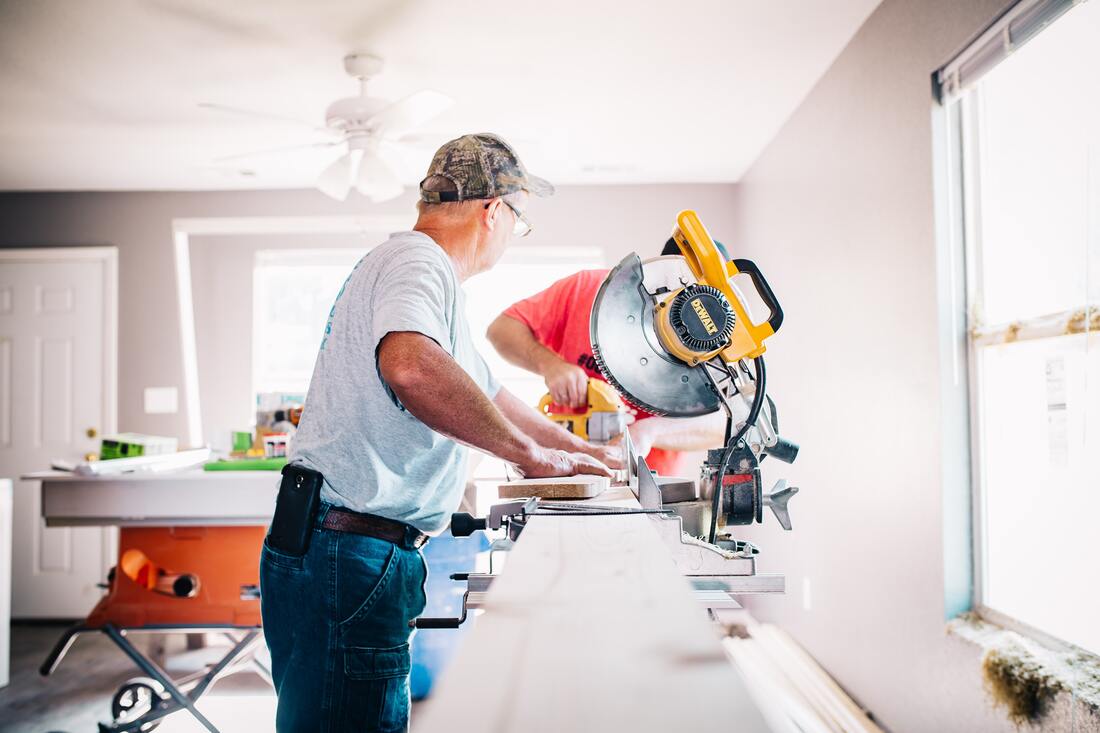
What are some of the factors that can affect how long the installation takes?
We have discussed the key steps involved in bathroom installation. Now, let's take a look at some of the factors that can affect how long each of those steps takes.
The Size of Your Bathroom
Obviously, a larger bathroom is going to take more time to install than a smaller one. This is because there will be more work involved, such as running new plumbing lines and installing tile work.
The Condition of Your Home
If your home is in good condition, then the installation process will likely go smoother and quicker. However, if there are any existing problems, such as leaks or mold, these will need to be addressed before the installation can begin. This can obviously add to the timeline.
The Type of Materials You're Using
Some materials , like marble or granite, take longer to install than others. This is because they require more time to cut and fit correctly.
The Number of People Working
More people working on the project will obviously get it done quicker. However, you also need to make sure that everyone knows what they're doing in order to avoid any mistakes.
The Weather Conditions
Believe it or not, but the weather can actually have an effect on how long your bathroom installation takes. For example, if it's raining outside, this can delay the process because the workers won't be able to do their job as easily.
Overall, there are a lot of factors that go into determining how long a bathroom installation will take but the above are the key ones. It is easy to see how the overall installation time can be affected by each of these factors.
What are the most common problems that can occur during a bathroom installation?
There are a couple of different problems that can occur during a bathroom installation. The first is that the contractor might not do a good job. This can lead to a lot of different problems, such as leaks, cracks, and even mold.
Another problem that can occur is that the materials that were used for the installation might be of poor quality. This can also lead to a lot of different problems down the line.
Another common problem associated with bathroom installation is that the contractor might not be able to finish the job on time. This can be extremely frustrating, especially if you are on a tight schedule.
If you are having a bathroom installed, it is important to make sure that you choose a reputable contractor. This will help to ensure that the job is done right and on time. It is also important to make sure that you are aware of all of the potential problems that can occur during an installation so that you can be prepared for them.
The best way to avoid these problems is to make sure that you hire a reputable contractor who uses high-quality materials. It is not enough to look for the cheapest fitter or installer, but to aim for good value for money, because the bathroom is such an important room in the house.
What are some of the potential delays that can occur during a bathroom installation
With proper pre-contract planning, clarifying the bathroom design and material selection, placing orders well in advance and being forthright with expectations, there is less chance of significant bathroom project delays. However, as with any construction project, there are always potential delays that can occur.
Some of the potential delays that can occur during a bathroom installation include:
Waiting for suppliers to deliver materials
This is particularly common if you have chosen to use custom or unusual materials that need to be ordered from specialist suppliers. It can often take weeks or even months to get these items delivered, so it's important to factor this into your planning.
If there are any issues with the delivery of the materials, this can further delay the project.
Another potential delay is waiting for tradespeople to become available. This is especially common if you live in a large city where there is high demand for bathroom remodelling services.
If you are using a general contractor, they will often have a team of trusted tradespeople that they work with on a regular basis. However, even then, it can sometimes take weeks or even months to get everyone lined up and ready to start work.
Once the project finally gets underway, most bathroom remodelling projects take between one and two weeks to complete. However, this can vary depending on the size and scope of the project.
Unavailability of materials
Another factor that can contribute to delays is the unavailability of materials. If you're planning to install a new bathtub, for example, and the manufacturer is out of stock, this will obviously delay things.
The same goes for other materials like tile, countertops, fixtures, etc. If these items are not readily available, it can hold up the project.
Bad weather conditions
Although bathroom installation takes place indoors, bad weather can still put a damper on things. If you live in an area that experiences a lot of rain or snow, this can extend the timeline of your project. Additionally, if the temperature drops too low, it can be difficult to install certain materials like tile.
This is why it's important to plan your bathroom remodelling project for a time when the weather is cooperative.
Problems with the plumbing or electricity
Life is full of uncertainties. And we can see this in unforeseen problems that may pop up during a bathroom installation. One of the most common problems is with plumbing or electricity.
If there's an issue with the plumbing, it can cause delays while the problem is being fixed. The same goes for electrical problems. These issues can be minor or major and can set your project back by days or weeks.
Unexpected problems with the existing bathroom layout
With CAD design software, you can avoid many potential problems with the existing bathroom layout. But there are still some things that can pop up unexpectedly.
For example, you might find that the existing plumbing isn't where you thought it was. Or there might be a structural problem that wasn't apparent in the design phase. These types of problems can add weeks to the project timeline.
Changes made by the homeowner during the project
It is okay to have better clarity on how you want your bathroom project to go during installation. But changes made by the homeowner during installation can also add weeks (or even months) to the timeline.
These changes might be due to a change in mind or they might be because of problems that arise during installation. In either case, it is important to factor in this additional time when you are planning your project.
The Bottom Line
Bathroom installation is a complex process with many potential variables. The average bathroom remodel takes between four and eight weeks, but there are always exceptions. If you are planning a bathroom remodel, make sure you factor in enough time for unexpected delays. That way, you won't be disappointed if the project takes longer than expected.
How Can You Minimise These Problems And Ensure A Smooth Installation Process
Bathroom installation involves many moving parts and there are several things that can go wrong. So how can you avoid potential problems and ensure a smooth installation process? The best way to do this is to hire a professional bathroom installer.
A professional installer will have the experience and expertise to avoid potential problems and complete the job quickly and efficiently. They will also be able to offer advice on the best products and materials for your project. This is a major factor that cannot be overemphasised.
How Can You Prepare For A Bathroom Installation In Advance
Preparing for bathroom installation in advance can help ensure a smooth and successful project. One of the best ways to do this is to have a clear idea of what you want. This means knowing the style, fixtures, and materials that you want for your bathroom.
If you're not sure where to start, take a look at magazines and online resources for inspiration. Once you have an idea of what you want, it's time to start planning the details. It is crucial to have a complete plan and design before the start of the project. This may seem like additional expense or delay, but will absolutely save a lot more costs and time down the line due to problems that could arise as a result of poor planning or design.
What Should You Do If Something Goes Wrong During Or After The Installation Process
Be sure to ask your contractor what their warranty or guarantee policy is. Most reputable bathroom installation contractors will offer some sort of warranty on their workmanship in addition to any manufacturer warranties that may apply to the materials used. This will give you peace of mind in knowing that if something does go wrong, you are covered.
If you have any concerns during or after the installation process, be sure to raise them with your contractor immediately. The sooner any issues are addressed, the better chance there is of resolving them quickly and without further complications.
What Are The Potential Risks And Problems Associated With Bathroom Installation Projects?
There are a few potential risks and problems associated with bathroom installation projects. One is that the work can be disruptive to your daily routine. This is especially true if you have a small bathroom and the work requires access to all areas of the room.
Another potential risk is that the work could damage your existing plumbing or electrical systems. This is why it's so important to hire a qualified and experienced contractor who knows how to properly handle these types of projects.
Finally, there is always the possibility that something could go wrong during the installation process. This could result in leaks, water damage, or other problems. Again, this is why it's so important to hire a qualified and experienced contractor.
Visit The Website Homepage (https://www.nottinghambathroomfitter.co.uk/) To View All Our Professional Bathroom Fitting Services
Frequently Asked Questions
Is it worth it to add a bathroom?
The value a new bathroom adds to a home in the UK cannot be understated. The average bathroom installation cost is typically around £5,500, but the added value to your home could be as much as £13,000. This makes adding a bathroom one of the most cost-effective home renovations you can undertake.
How long does it take to install a new bathroom?
The time it takes to install a new bathroom will depend on the size and complexity of the project. A simple bathroom remodel could be completed in as little as two days, while a more complex project could take up to two weeks.
How long should a bathroom last?
A bathroom that has been properly maintained can last for many years. However, the lifespan of a bathroom will ultimately depend on the quality of the materials used. Higher quality materials will typically last longer than lower quality materials. However, if you are looking for a ballpark figure, most experts suggest that a new bathroom should last between 10 and 15 years. Of course, this is just a rough estimate and your mileage may vary. If you take good care of your bathroom and use high quality materials, your bathroom could last much longer. On the other hand, if you neglect your bathroom or use lower quality materials, it will not last as long.
What are the most common problems with bathrooms?
The most common problems with bathrooms are leaks, mould and mildew. These problems can often be prevented by ensuring that your bathroom is properly ventilated.
How long does it take to fit a new bathroom UK?
In this article we have discussed the various factors that can impact the time it takes to fit a new bathroom. We have also provided a general guide on how long it should take.
If you take into consideration all of the factors we have discussed, the average time it should take to fit a new bathroom is between 3-5 days. However, this timeframe may be extended if there are any unforeseen issues or delays. Design - Supply - Installation - Project ManagementNottingham Bathroom FitterYou're One-Stop-ShopFor Everything Bathrooms0115-697-2277
What's Covered During Your Bathroom Fit (And What Isn't)
- Removal and disposal of the old suite, tiling and flooring, with waste taken away by a licensed carrier
- First-fix plumbing to move or replace pipework for the new layout
- First-fix electrics for lighting, shaver sockets and extractor fans, carried out by a Part P approved installer
- Plastering and re-boarding of walls affected by the strip-out
- Tiling of walls and floors to the design agreed at quote stage
- Fitting of the new suite, shower enclosure or bath, taps and fittings
- Joinery such as boxing in pipework and fitting vanity units, by City & Guilds trained joiners
- Any gas work needed for a combi boiler or gas shower, carried out by a Gas Safe registered engineer
- Final snagging and a formal sign-off before we leave site
Not Included / Costed Separately
- Structural work such as removing load-bearing walls or changing the room layout, which needs separate building regulations sign-off and adds time
- Underfloor heating installation, which is priced and programmed separately
- Repairing damp, rot or subfloor damage found once the old bathroom comes out, which is agreed with you before we carry on
- Non-standard or bespoke sanitaryware that has to be ordered from the manufacturer, since supplier lead times are outside our control
- Work to shared or communal pipework in flats, which may need landlord or freeholder sign-off first
From First Call To Finished Bathroom: How We Schedule The Job
- Initial call and site visit -- We talk through what you want from the room, then visit to measure up, check the existing plumbing and electrics, and see how the pipework in your particular property is laid out.
- Design and written quote -- You get a design based on your chosen fittings and tiles, plus a written quote and contract setting out the timescale before any work or deposit is agreed.
- Ordering materials -- Standard suites and tiles are ordered once the contract is signed; anything bespoke is flagged at this stage, since it's the main cause of a job starting later than planned.
- Strip-out and first fix -- The old bathroom comes out, waste is cleared by our licensed carrier, and first-fix plumbing, electrics and any plastering are completed.
- Second fix and finishing -- Tiling, the new suite, shower or bath, and joinery such as vanity units go in, followed by sealing, decorating touches and a final clean.
- Sign-off and guarantee -- We walk the finished room with you, agree a formal sign-off, and register the 5-year labour and installation guarantee and the 2-year guarantee on supplied products.
How The Timeline Affects What You Pay
Quicker isn't always cheaper: a straightforward suite swap over a couple of days generally costs less than a full re-fit with new plastering, tiling and pipework spread over one to two weeks, simply because more trades and more days of labour are involved. Bespoke tiling patterns, natural stone, or sanitaryware that has to be specially ordered can add both time and cost, which is why we set out the full price alongside the schedule in a written quote rather than a verbal estimate. Because every property's pipework and layout is different, an accurate price and timescale for your bathroom needs a site visit rather than a phone estimate.
Typical Bathroom Jobs And How Long Each One Runs
| Type of job | Typical timescale | What's usually involved |
|---|---|---|
| Like-for-like suite swap | 1-2 days | Same toilet, basin and bath/shower positions, reusing existing pipework |
| Full re-fit, same layout | 3-5 days | New suite, full tiling, re-plastering, first and second fix in one continuous visit |
| Full re-fit with layout change | 1-2 weeks | Moving plumbing and electrics to a new position, plus everything in a full re-fit |
| Renovation with structural work | 2+ weeks | Layout changes needing building regulations sign-off, or repairs to damp/rot found during strip-out |
Why Our Timescales Tend To Hold
Most of the delay on a bathroom job comes from handing it between separate people who don't share a diary. A plasterer working for three different fitters that week has to fit your room in around someone else's job running late; an agency electrician comes back when they're next free, not when the tiler needs the room clear. Because our plumbers, electricians, joiners and plasterer work for us rather than juggling other customers' jobs alongside ours, we set the order of trades ourselves before work starts, and we can move a day between stages on our own book rather than waiting for someone else's diary to clear. Several of the team have worked the same jobs together for most of the 20 years the business has been running, so when the plasterer tells the tiler a wall's ready, or the plumber tells the electrician a stud wall's been opened up, that's a conversation between two people who already know how the other works, not an email between two separate firms. That's what makes it possible to give you actual dates in the written contract rather than a rough window: the schedule reflects how long our plasterer needs a particular wall to dry before boarding, not a generic industry estimate, and the sign-off at the end, which starts the clock on the 5-year labour and installation guarantee and the 2-year product guarantee, happens on the day we said it would rather than whenever the last trade eventually turns up.
Where We Fit Bathrooms Around Nottingham
We fit bathrooms across Nottingham and the rest of Nottinghamshire, as well as in Derby, Derbyshire and Doncaster, from our registered office at 4 Ferrers Walk in Nottingham. The detail that changes a schedule more than distance is what's already behind the tiles: a lot of Nottingham's older housing stock, including the Victorian and Edwardian terraces around areas like Sherwood, Lenton and Forest Fields, still has original lead or galvanised pipework and solid brick partition walls, and stripping that out and re-boarding typically adds a day or so to first fix compared with a 1930s semi or a newer build, where the pipework is already modern and the walls are stud rather than solid. Flats and converted terraces sometimes share pipework with a neighbouring property, which is why that's flagged separately in the scope above; it can mean a short pause while landlord or freeholder sign-off is sorted before we carry on. None of that changes who turns up on site: the same fitters who visit for your quote are the ones who do the job, wherever in that area you're based, which is what keeps the dates in your written contract realistic rather than optimistic.
Bathroom Fitting Timescales: Common Questions
How long does a full bathroom refit actually take, start to finish?
A straightforward suite swap with no layout changes usually runs to 1-2 days; a full re-fit in the same layout is closer to 3-5 days; a full re-fit with a layout change, moving plumbing or electrics to a new position, tends to run 1-2 weeks; and a job needing structural work or turning up hidden damp or rot can run past that. The comparison table on this page sets out the typical range for each type of job, but the exact figure for your bathroom comes from a site visit, not a phone estimate.
How soon can you start once I've had a quote?
That depends on materials as much as our diary. If you're using standard suites and tiles we can order as soon as the contract's signed, the start date is mostly a case of when our team's next free; if you've chosen something bespoke or a special order, the manufacturer's lead time is usually what decides the start date rather than our availability.
What's the single biggest thing that pushes a bathroom job over schedule?
In our experience it's a non-standard item, bespoke tiles, an out-of-stock suite colour, or sanitaryware that has to be ordered from the manufacturer, rather than the fitting itself. Getting design and material choices signed off before the contract is agreed removes most of that risk, which is why we build it into the design and quote stage rather than sorting it after work has already started.
What happens if you find damp, rot or old pipework once the bathroom's stripped out?
We stop and talk to you before carrying on. Older Nottingham housing stock in particular can have things behind the tiles that don't show up until the strip-out, and any repair work that's needed is priced and agreed with you first rather than added to the bill afterwards.
Do I need to move out, or manage without a bathroom while you're working?
You don't need to move out for a bathroom refit. If it's the only bathroom in the property, we talk through the practical side of it, such as which stage the toilet and shower will actually be out of use, at the quote stage so you know what to expect rather than finding out on the day.
Can the job be sped up by having more people on site at once?
Not much. Plastering has to dry before it can be tiled, and tiling has to be finished before the suite goes in, so extra people on site mostly means less room to work in rather than a shorter job. The schedule in your written contract already reflects how long each stage genuinely takes rather than how many people are booked.
Does living in a flat or shared building affect the timeline?
It can. Flats and converted terraces sometimes share pipework or drainage with a neighbouring property, and where that applies, landlord or freeholder sign-off may need sorting before certain work can go ahead. That's flagged at the quote stage rather than discovered part-way through the job.
What's actually in the written contract you give before work starts?
It sets out the work agreed, the price, and a schedule with actual dates for stages such as strip-out, first fix and tiling, rather than just a start and finish date. You get a formal sign-off at completion, which is also when the 5-year labour and installation guarantee and 2-year product guarantee start.
Ready To Get A Date In The Diary?
The earlier your bathroom is measured up and your materials ordered, the earlier a realistic finish date can be set. Whether it's a leak, a tired suite or a stalled renovation plan that's brought you here, get in touch for a site visit and a written quote with a schedule attached, backed by our 5-year installation guarantee.
Bathroom Fitters Nottingham, Luxury Fitted Bathrooms
Call 0115-824-4280
20 Years' Experience • In-House Team • 5-Year Guarantee
Quick Free Estimate - No Obligation
Fully Insured • Response within 15 mins
🔒 Your details are safe with us. No spam, ever.